He often wrote about the importance of poetry in an ordinary man’s life who is burdened with the responsibility of running a household with his wife and raising their five children. He tried hard to keep the poet in him alive, but the promise to his family couldn’t make him write his heart out. He mentioned in his poems how the poems written in his notebook were replaced with the daily calculations of expenditures and savings. He created two characters named ‘Anu’ and ‘Nutu Da’. Anu, being an anonymous reader and ‘Nutu Da’, an ordinary man, once a poet, now a salaried person, yet dealing with the dilemma between the promise he made to his younger self to continue writing poetry, and the responsibilities for the survival of seven lives.
Here is the translation of the poem he wrote in the form of a letter from Nutu Da to Anu, narrating his story of turning into an ordinary family man from an aspiring poet.
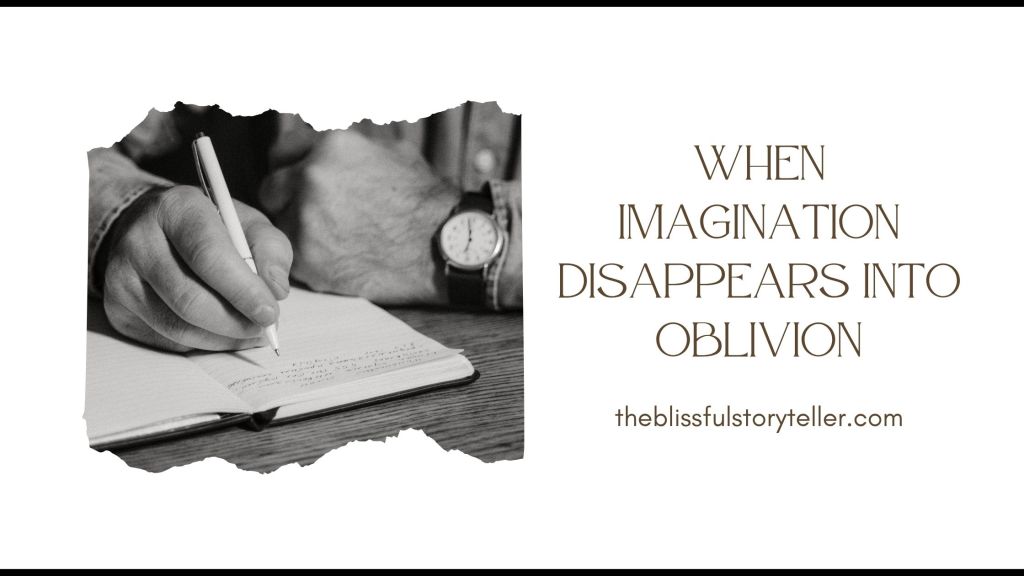
When Imagination Disappears into Oblivion
Dear Anu,
I am writing this letter
to tell you something that I have discovered.
I think, in this world, the necessity
of rice, wheat, and sugar
It is much more important
of rhythm, synchronization, and melody.
Anu, you may say, “Poetry is like a bottle of orange squash
In the marathon of life.”
But I strongly deny.
And I know many others will agree with me.
Those who leave their house with the golden rays of the morning,
Blindfolded, they begin their journey,
to earn a living so they somehow survive,
When they return home after the day’s work,
The entire city falls asleep,
Except for the great wall clock that keeps ticking against time.
They only see the stars in the sky
Greet them for writing the story of another day
Before they find peace in the lap of the night.
You must be searching for that twenty-year-old Nutu Da
Unfortunately, you won’t find him in these harsh words;
There is no place for ‘silver moon’, ‘golden dusk’,
They all disappeared long ago.
My diary
Once, where I used to write my poetry,
Now, it is filled with the calculations of the loans to be paid off.
“Does only life end at the end?” You may ask,
But know this, Anu, talent also dies –
When it arrives
to the stark reality, leaving behind
The world of imagination.
The silence envelopes the empty place
But a distant sound is heard
A sweet, low music of the fountain
As if coming from the chariot of imagination
But dear Anu,
I have learned
A bicycle runs faster than a chariot.
You may say, talent is evergreen,
They are blessed to live forever on this earth –
You may give me plenty of advice
To keep the poet alive inside,
But the Nutu Da, who has been living in the struggles of life
Facing the reality every single day,
Will remind you of the truth he has learned in the worst way
That these words are mere words
Finding their home in the pages of books.
P.S. Bengali readers may find the title of the poem translated slightly differently than the original one in Bengali. The original title in Bengali is ‘Kalpanar Mrityu,’ which means ‘The Death of Imagination.’ But I personally don’t like to write/include the word ‘death’ in my writing, not knowing the exact reason behind this decision of mine. This is why I refrain from using this particular word when I write, and for this translation work, it was no exception. I hope my readers will understand that we writers do have the freedom to impose certain restrictions on our writings. I apologize for making the change while translating the original title of the poem.
(This post is a part of Blogchatter Half Marathon)

 The Blissful Storyteller
Leave a comment